Signature Project
The New Administrative Capital
A purpose-built capital east of Cairo — designed, planned and driven forward under his direct stewardship.
Please enter your access code to proceed.
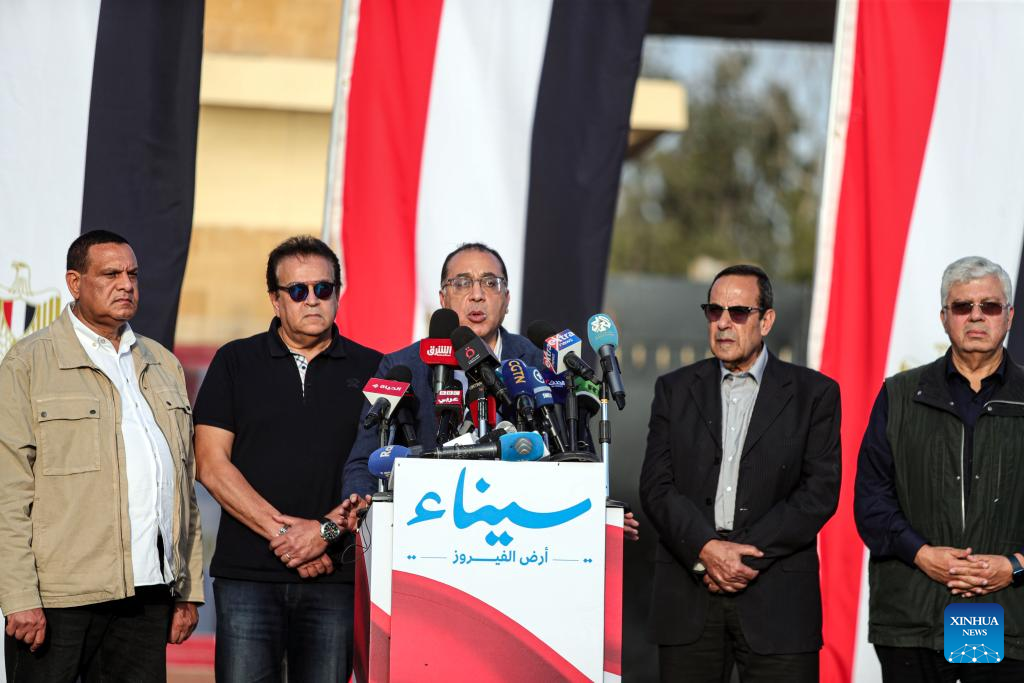
From the drafting tables of Cairo's housing ministry to the highest office of the Egyptian state, the journey of Mostafa Kamal Madbouly is the story of a modern technocrat who rose by building — literally and institutionally.
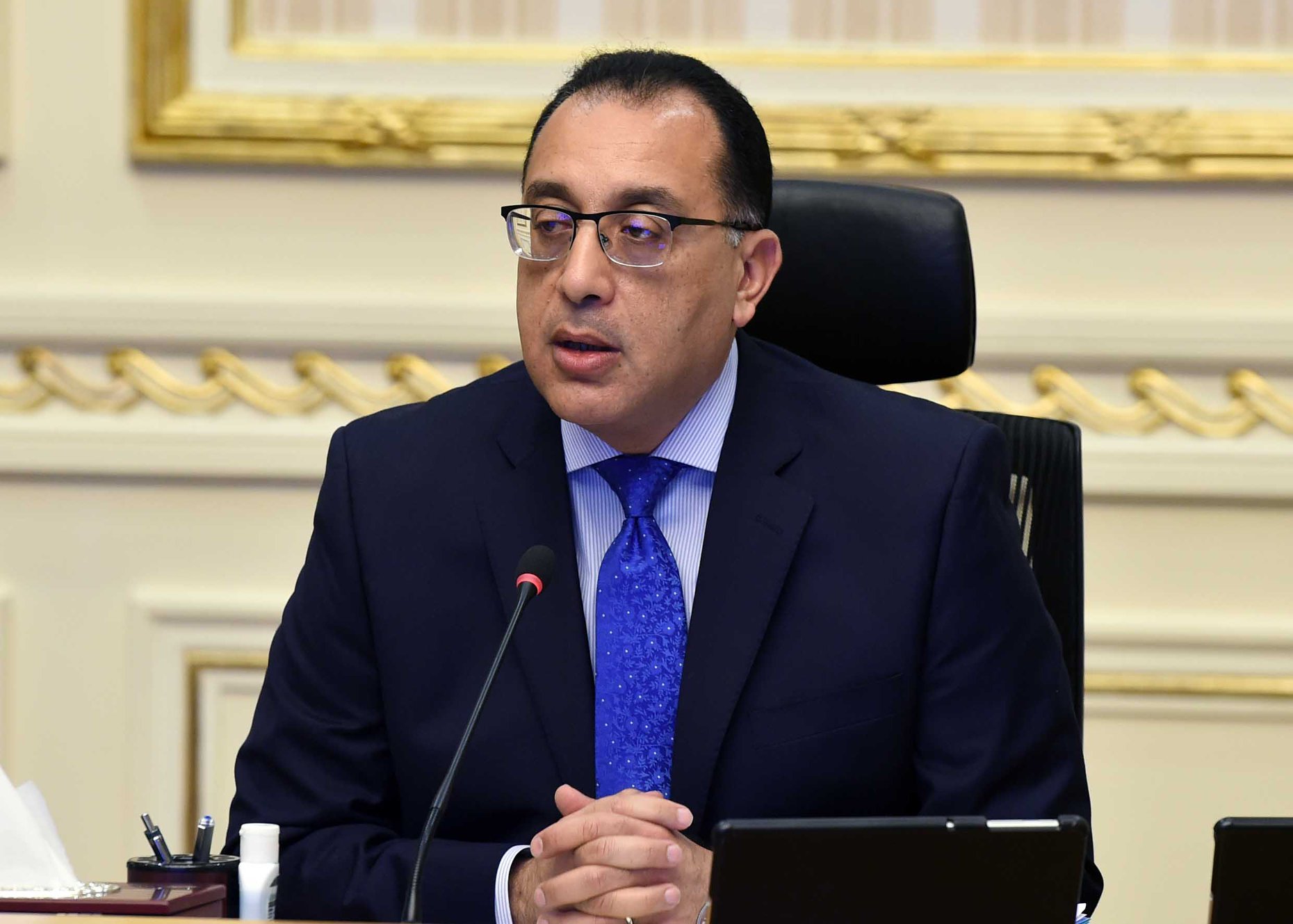
Mostafa Kamal Madbouly was born in Cairo in April 1966 and trained as an architect and urban planner — a discipline that would become the spine of his public career. He rose through the ranks of Egypt's professional and institutional architecture circles, becoming one of the most consulted minds in housing policy and city design before entering government.
Appointed Minister of Housing, Utilities and Urban Communities, he authored and delivered some of the most ambitious public works programmes in Egypt's modern history — from the Decent Life national rural initiative to the planning and construction of the New Administrative Capital east of Cairo.
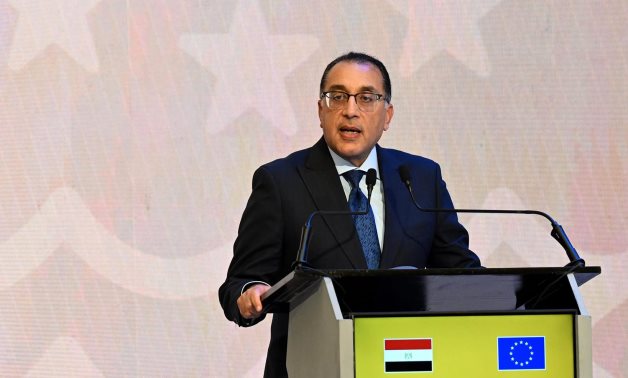
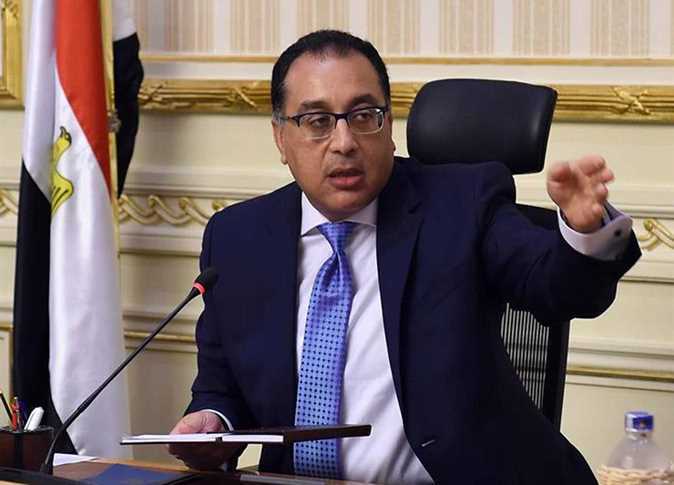
In June 2018, following the resignation of the Sherif Ismail government, President Abdel Fattah el-Sisi tasked him with forming a new cabinet. He has served as Prime Minister ever since — the first engineer-planner in generations to occupy the role, and a principal architect of Egypt's Vision 2030 agenda.
"Nations are built twice — first on paper, then on the ground. Our work is to hold both drawings true."
A career defined by rigorous training, institutional stewardship, and a sustained commitment to the physical and social modernisation of Egypt.
Before governing a nation, Mostafa Madbouly spent decades designing one. His fluency in housing economics, infrastructure sequencing, and regional planning continues to shape every arm of government policy.
A purpose-built capital east of Cairo — designed, planned and driven forward under his direct stewardship.
Twenty-two new cities mapped, staged, and connected to the national infrastructure spine.
A scale of public housing unmatched in the region — reengineered from financing to construction.
A framework that unites technical precision, social responsibility, and long-term strategic thinking in every decision of the Council of Ministers.
Policy is a generational instrument. Every city, every law, every road is calibrated for the Egypt of 2050 — not merely the Egypt of today.
Governance must be honest with the numbers. Budgets, baselines, and benchmarks come first — ambition is then built on evidence, not optics.
A country is judged by how its humblest village lives. Housing, clean water, connectivity — these are not services; they are the architecture of citizenship.